
Product

Solutions
Resources
Supporting High School Districts with Schoolytics: Turning Complex Data Into Action
High school districts occupy a uniquely challenging space in the K–12 landscape. Unlike unified or elementary districts, their mission begins at the crucial transition to ninth grade and culminates in launching students into college, career, and life. Every decision—from scheduling and graduation requirements to college readiness and career pathways—has high stakes, not only for students but also for the communities they will enter.
These districts must answer essential questions that go far beyond day-to-day classroom management:
The challenge isn’t a lack of data. As usual, there is a lot of data—grades, credits, college entrance metrics, AP/IB performance, attendance at the section level, and much more. The real challenge is synthesizing that information into meaningful, actionable insights.
This is where Schoolytics makes the difference. By providing a unified platform for data analysis and reporting, Schoolytics helps high school districts meet their unique needs: supporting counselors’ daily work with students, giving administrators visibility into district-wide progress, and equipping leaders to make strategic, long-term decisions about programs and pathways.
High school districts are inherently multi-dimensional ecosystems. The sheer variety of data points is striking: grades and credits, course pathways, section-level attendance, behavior trends, AP/IB scores, college and career readiness, and more. Each of these domains plays a role in determining whether students are on track—not just for graduation, but for postsecondary success.
Unlike a traditional elementary or middle school environment where daily attendance and grade-level benchmarks dominate, high schools operate with multiple, overlapping metrics. For example:
A typical student might have a dozen different data streams associated with their high school experience. Connecting those dots manually is simply not feasible. Schoolytics is built to handle this complexity—bringing disparate data into one integrated view so educators can see both the fine-grained details and the bigger picture.
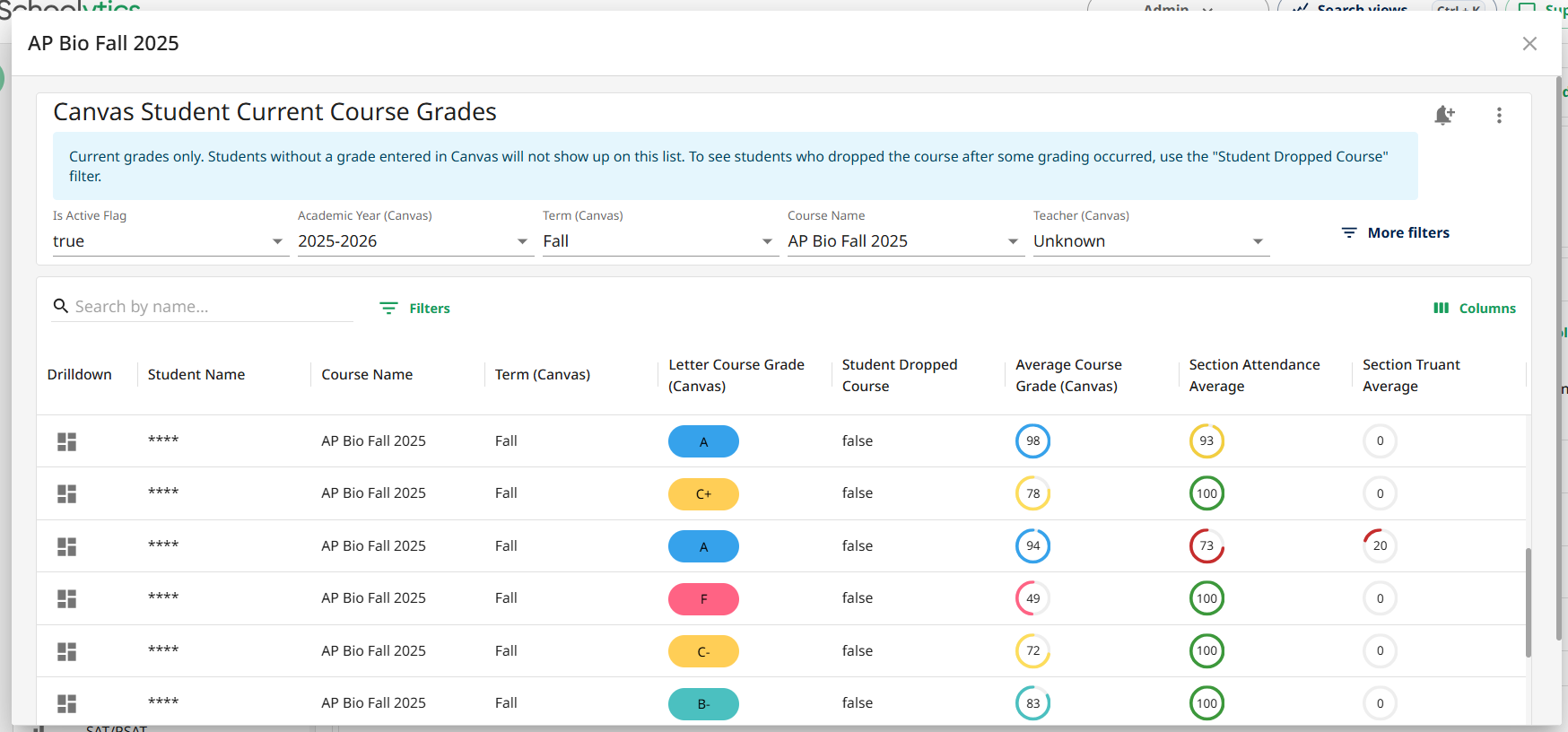
High school counselors are on the front lines of supporting student success. Their mission is laser-focused: ensure every student stays on track for graduation and postsecondary readiness. But achieving that mission requires real-time, multi-measure monitoring.
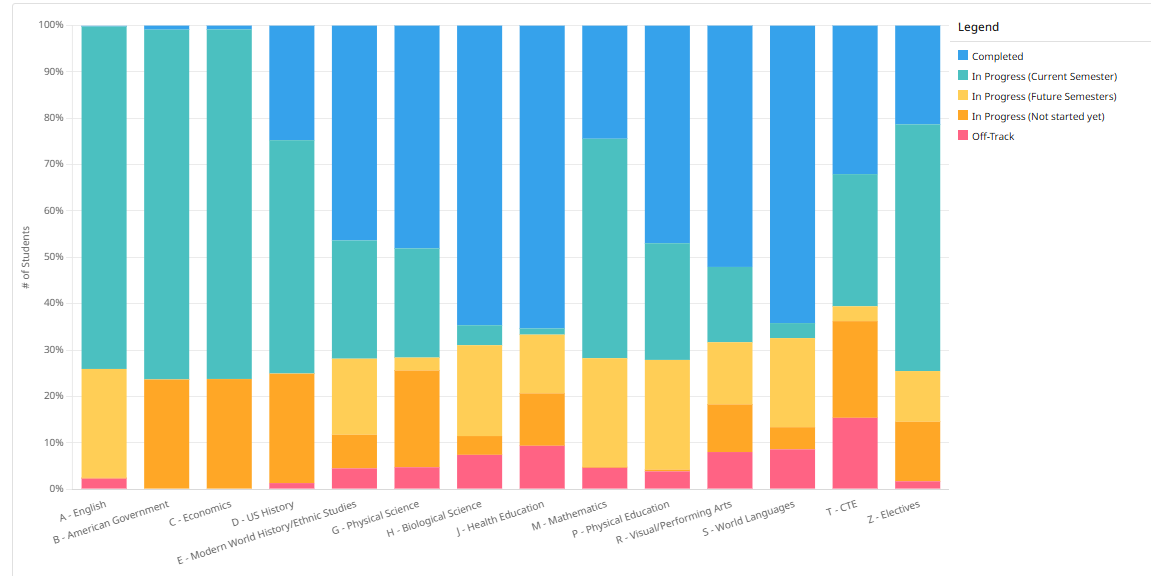
With Schoolytics, counselors can:
Critically, Schoolytics doesn’t just replicate what a SIS already does. While a student information system might hold course grades and credits, it cannot easily aggregate district-wide data to answer strategic questions, such as:
What percentage of 9th graders are off track at the end of the year? Which schools or subgroups need the most attention?
Schoolytics empowers counselors and administrators to not only catch individual students before they fall behind but also spot systemic patterns and adjust interventions proactively.
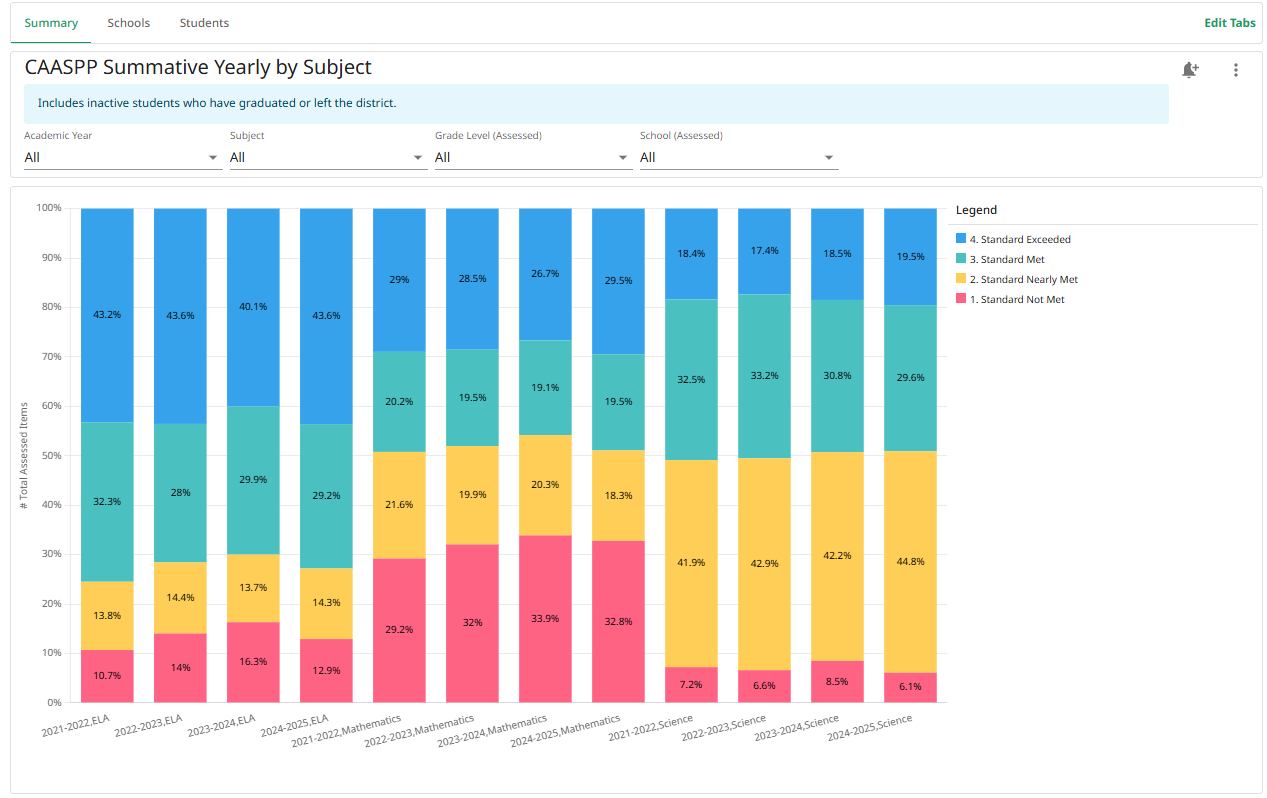
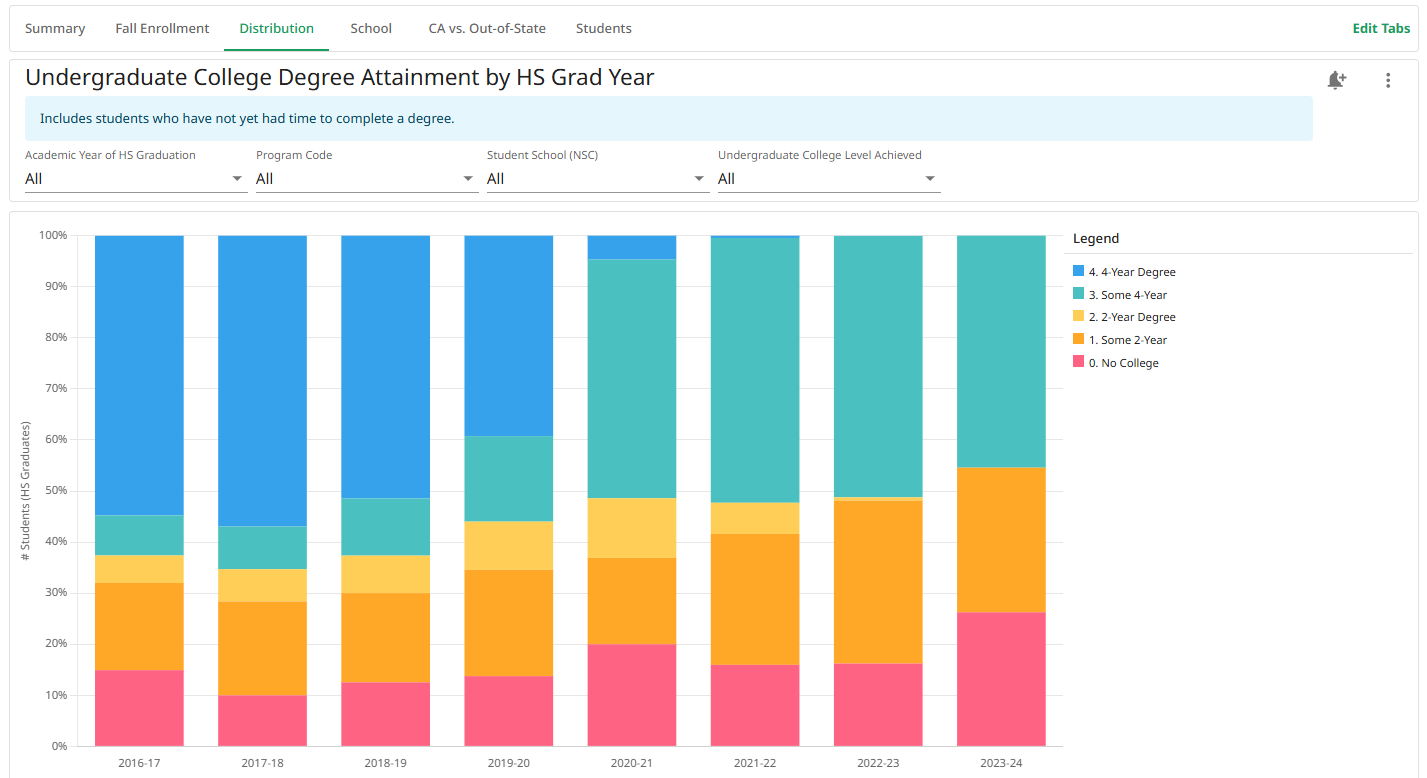
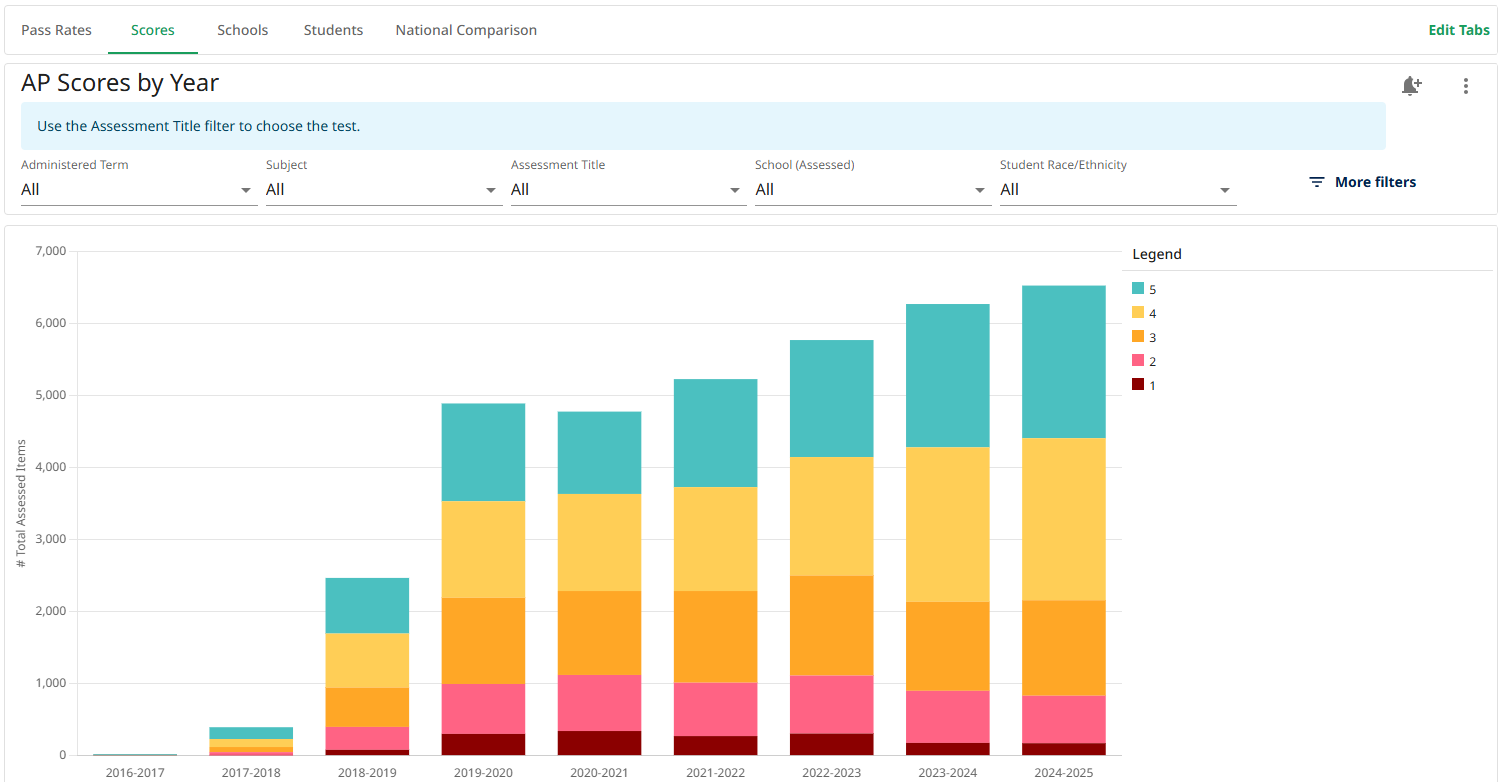
High school is the launching pad for students’ futures. Districts are responsible not only for ensuring on-time graduation but also for preparing students for college, career, and beyond. This requires tracking and improving outcomes across multiple dimensions:
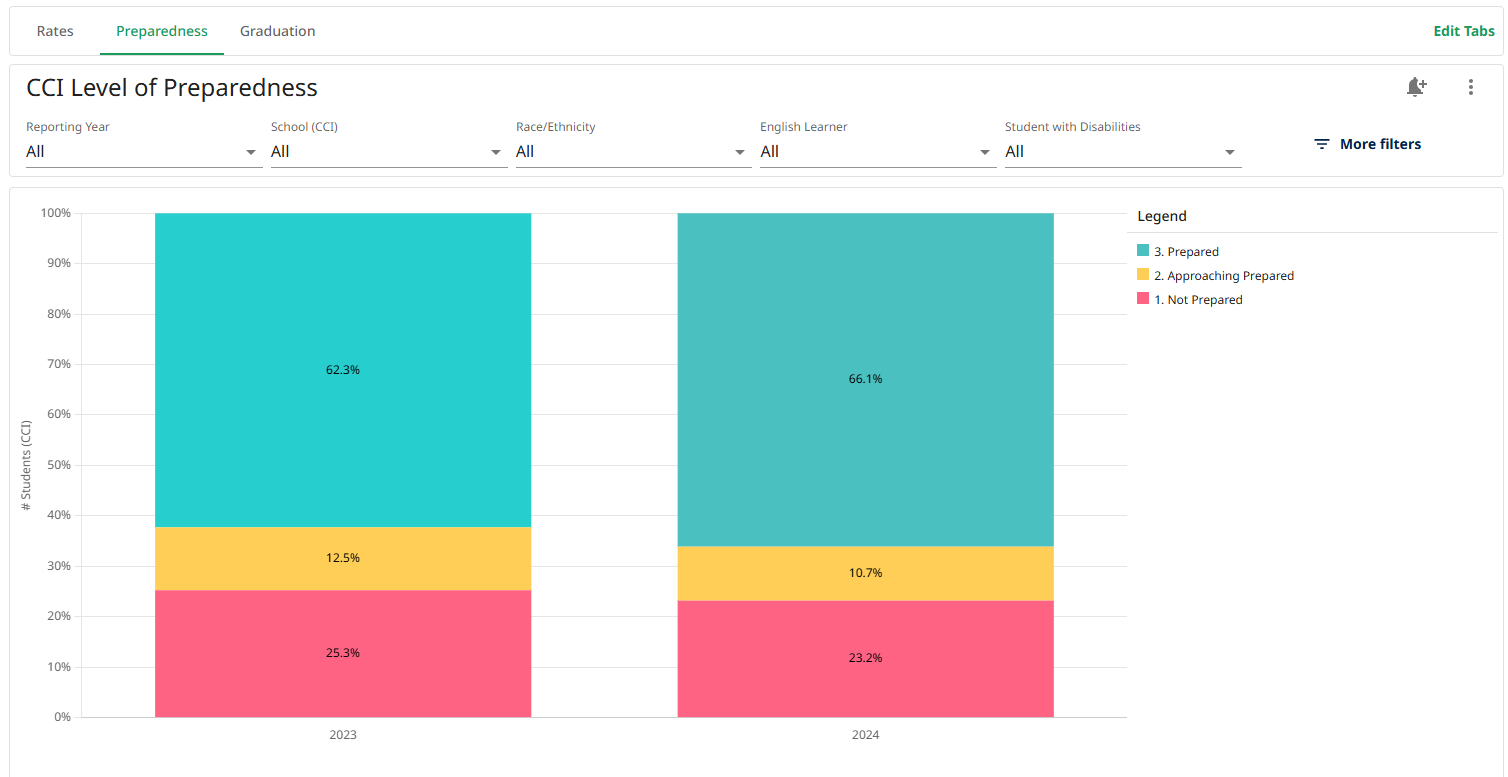
These measures aren’t just compliance metrics—they’re strategic levers for improvement. Schoolytics allows districts to see, for example, whether course offerings and pathway sequences are aligned with students’ long-term goals, helping leaders decide whether to adjust curricula, add programs, or strengthen partnerships with local colleges.
High school districts rarely start with a blank slate. Instead, they inherit students from multiple K–8 partner districts, each with its own data systems, grading scales, and instructional approaches. This makes intake and registration far more complex than in a unified system.
Key challenges include:
Some high school districts have half a dozen feeder systems, each with unique practices. Without a unified data strategy, it’s nearly impossible to know, for example, which middle schools are consistently sending students who need significant intervention.
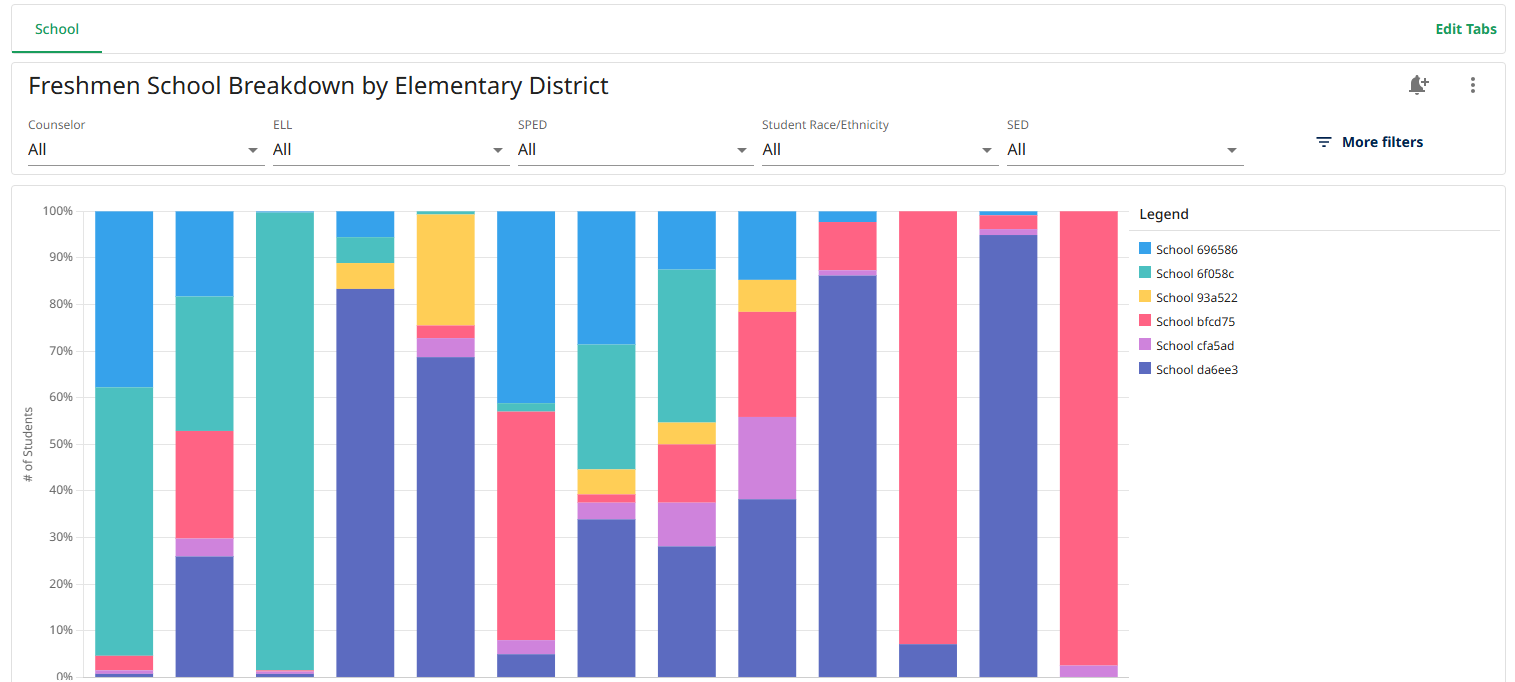
Schoolytics enables secure data sharing and analysis across districts, giving high school educators a full picture of every incoming student and helping leaders build collaborative relationships with partner districts.
Today’s high schools are far from one-size-fits-all. Students increasingly take advantage of alternative learning models, each with unique data and reporting requirements:
Schoolytics accommodates these complexities. Whether a student splits time between high school and community college or enrolls in specialized support classes, districts can track progress holistically. This is essential for equity—ensuring that students in alternative pathways are held to high expectations and receive the support they need.
Beyond student-level interventions, high school districts need to think systemically and strategically. Schoolytics enables leaders to use data as a true planning tool by:
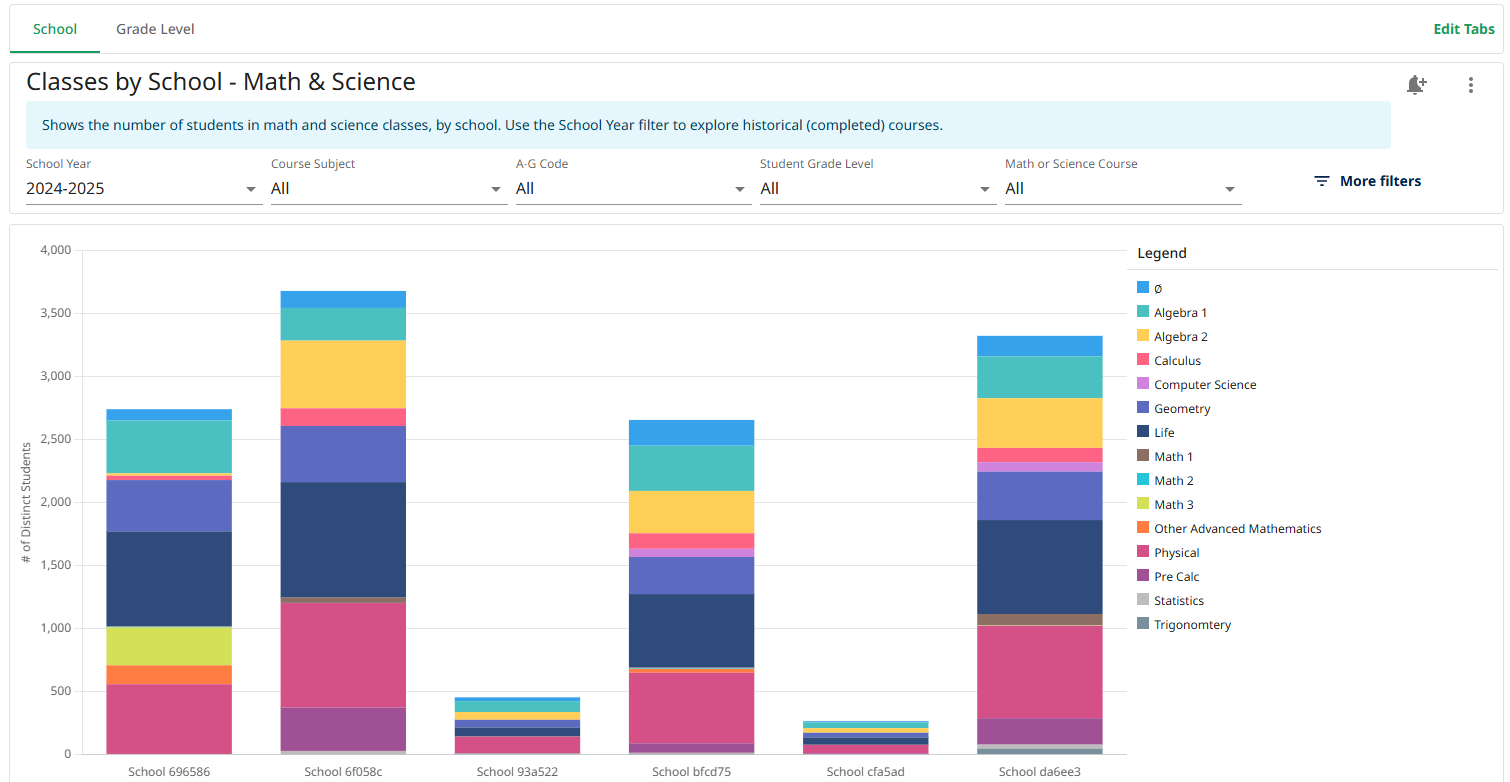
These insights support everything from budgeting and staffing to program design and policy advocacy, ensuring that high school districts can evolve to meet the needs of their communities and the labor market.
High school districts don’t just need another database. They need a decision-making platform that integrates fragmented information and turns it into clear action steps. Schoolytics offers:
High school is a pivotal time. Every course, credit, and decision shapes a student’s trajectory. High school districts shoulder the responsibility of ensuring equity, preparedness, and success for every graduate, but the complexity of their data can obscure the path forward.
With Schoolytics, that complexity becomes clarity. Counselors can focus on students, administrators can make data-driven decisions, and district leaders can plan confidently for the future. From ninth-grade on-track rates to college and career readiness, Schoolytics provides the insight and flexibility high school districts need to help every student thrive.